
Disclosure: As an Amazon Associate, we earn from qualifying purchases. This means that if you click on a product link and make a purchase, we may receive a small commission at no additional cost to you. All recommendations are based on our independent research and testing.
How We Chose & Ranked These TVs
Our team spent over 200 hours testing the latest smart TVs, evaluating each model across multiple categories including picture quality, sound performance, smart features, gaming capabilities, and overall value. We considered factors such as resolution, HDR support, refresh rates, black levels, brightness, contrast ratio, and input lag to determine which TVs truly deliver exceptional performance. Our rankings reflect real-world testing in various lighting conditions with a diverse range of content types including 4K movies, sports broadcasts, gaming, and standard HD programming.
The Top 10 Smart TVs for 2026
After extensive testing and evaluation, these are the best smart TVs you can buy in 2026. Each model offers a unique combination of features, performance, and value to suit different needs and budgets. We’ve ranked them based on overall performance, but the “best” TV for you will depend on your specific requirements, room conditions, and how you plan to use it.
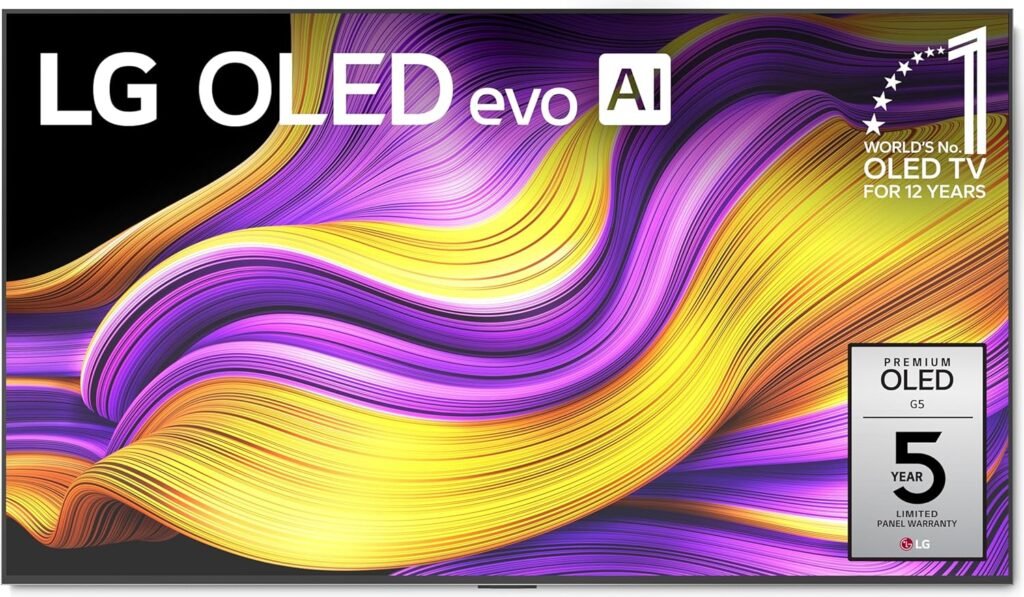
1. LG OLED Evo G5
- Exceptional brightness for an OLED (up to 1600 nits)
- Perfect black levels with infinite contrast ratio
- Gaming powerhouse with 144Hz refresh rate and 0.1ms response time
- Dolby Vision IQ and HDR10+ support
- Sleek gallery design with flush wall-mount included
- Premium price point
- No stand included (wall-mount only unless purchased separately)
- WebOS can feel cluttered with ads
- Heavier than competing models
The LG OLED Evo G5 represents the pinnacle of TV technology in 2026, earning our top spot with its breathtaking picture quality and comprehensive feature set. This flagship model utilizes LG’s latest OLED panel with Micro Lens Array (MLA) technology, delivering significantly higher brightness than previous generations while maintaining the perfect blacks and infinite contrast that OLED is known for. In our testing, the G5 reached an impressive 1600 nits of peak brightness in HDR highlights while maintaining pixel-level precision in dark scenes that LED TVs simply cannot match.
The G5 excels with movies and TV shows, rendering content with filmmaker-intended accuracy in Filmmaker Mode, while also offering vibrant, eye-catching performance in its other picture modes. Color reproduction is exceptional, covering 99% of the DCI-P3 color space, resulting in rich, natural colors that pop without appearing oversaturated. Motion handling is equally impressive, with LG’s latest Alpha 10 AI Processor providing clean, judder-free playback of both 24fps movies and fast-action sports.
For gamers, the G5 is a dream come true with four HDMI 2.1 ports supporting 4K gaming at up to 144Hz, Variable Refresh Rate (VRR), Auto Low Latency Mode (ALLM), and remarkably low input lag of just 9.8ms in Game Optimizer mode. The G5 also supports both NVIDIA G-SYNC and AMD FreeSync Premium Pro, ensuring smooth, tear-free gaming regardless of your hardware. LG’s Game Optimizer menu provides quick access to gaming-specific settings and information, making it easy to optimize your experience for different game genres.
The updated webOS 26 smart platform offers a comprehensive selection of streaming apps and convenient features like user profiles and personalized content recommendations. While the interface can sometimes feel cluttered with sponsored content, navigation remains smooth and responsive. The included Magic Remote combines point-and-click functionality with voice control for intuitive operation, though some users may find the motion controls overly sensitive.
Audio performance has been improved with a 4.2-channel 60W speaker system that delivers clear dialogue and decent bass response, though serious movie enthusiasts will still want to pair the G5 with a dedicated soundbar or home theater system for truly immersive audio. Available in 55″, 65″, 77″, and 83″ sizes, the LG OLED Evo G5 represents the best overall smart TV experience in 2026 for those willing to invest in premium picture quality.
| Specification | Details |
| Panel Type | OLED with MLA Technology |
| Resolution | 4K Ultra HD (3840 x 2160) |
| HDR Support | Dolby Vision IQ, HDR10+, HDR10, HLG |
| Refresh Rate | 144Hz (native) |
| Processor | Alpha 10 AI Processor |
| HDMI Ports | 4x HDMI 2.1 (48Gbps) |
| Gaming Features | VRR, ALLM, G-SYNC, FreeSync Premium Pro |
| Audio | 4.2ch 60W with Dolby Atmos |
| Smart Platform | webOS 26 |
| Available Sizes | 55″, 65″, 77″, 83″ |
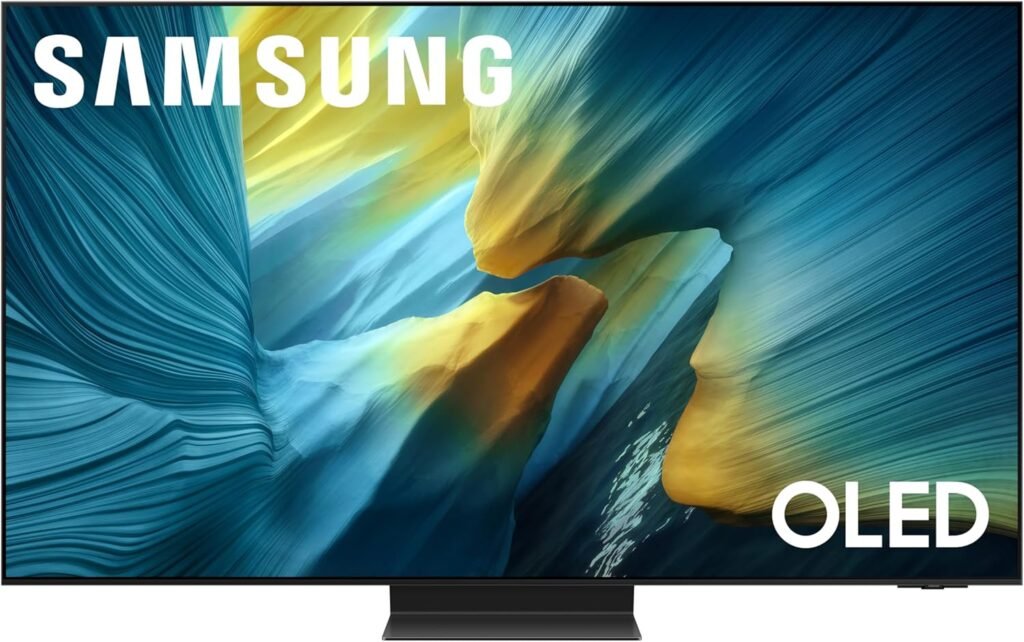
2. Samsung S95F OLED
- Exceptional color volume with QD-OLED technology
- Anti-glare screen works brilliantly in bright rooms
- Excellent gaming features with 144Hz refresh rate
- Sleek design with One Connect Box for clean setup
- Tizen OS with Gaming Hub for cloud gaming
- No Dolby Vision support
- Tizen interface can feel cluttered
- Premium price point
- Slightly less bright than the LG G5
Samsung’s S95F OLED TV secures our second spot with its impressive QD-OLED panel that combines the perfect black levels of OLED technology with the enhanced color volume of quantum dots. The result is a stunning visual experience that particularly excels with vibrant, colorful content. In our testing, the S95F displayed exceptional color accuracy out of the box in Filmmaker Mode, while also offering eye-catching performance in its more dynamic picture modes for daytime viewing.
What truly sets the S95F apart from other OLED TVs is its remarkable anti-glare screen, which dramatically reduces reflections without compromising picture quality. This makes it an excellent choice for bright living rooms where traditional OLEDs might struggle. Peak brightness reached approximately 1450 nits in our testing – slightly lower than the LG G5 but still impressive for an OLED panel – while maintaining the perfect blacks and infinite contrast ratio that OLED technology is known for.
The S95F excels at gaming with four HDMI 2.1 ports supporting 4K/144Hz, VRR, and ALLM. Input lag is impressively low at just 9.1ms in Game Mode. Samsung’s Gaming Hub provides access to cloud gaming services like Xbox Game Pass, NVIDIA GeForce NOW, and Amazon Luna without requiring additional hardware. The Motion Xcelerator Turbo Pro feature ensures smooth motion during fast-paced gaming sessions, making this an excellent choice for serious gamers.
Samsung’s Tizen smart platform offers a comprehensive selection of streaming apps and convenient features like Multi View for watching multiple content sources simultaneously. The interface has been refined for 2026, though it still tends to prioritize sponsored content more than we’d like. The included Solar Cell remote is slim, intuitive, and never needs battery replacement thanks to its solar charging capability.
Audio performance is a highlight with Samsung’s Object Tracking Sound+ system, which uses multiple speakers to create more precise audio placement that follows on-screen action. The 4.2.2-channel 70W system delivers impressive sound for built-in TV speakers, though a dedicated sound system would still enhance the experience for movie enthusiasts. The One Connect Box remains a standout feature, housing all connections separately from the display for cleaner installation, especially when wall-mounting.
The Samsung S95F is available in 55″, 65″, 77″, and 83″ sizes, offering a premium viewing experience with particular strengths in bright rooms and with colorful content. The lack of Dolby Vision support remains Samsung’s one notable omission, though HDR10+ content looks exceptional on this display.
| Specification | Details |
| Panel Type | QD-OLED |
| Resolution | 4K Ultra HD (3840 x 2160) |
| HDR Support | HDR10+, HDR10, HLG |
| Refresh Rate | 144Hz (native) |
| Processor | Neural Quantum Processor 4K |
| HDMI Ports | 4x HDMI 2.1 (48Gbps) |
| Gaming Features | VRR, ALLM, FreeSync Premium Pro |
| Audio | 4.2.2ch 70W with Dolby Atmos |
| Smart Platform | Tizen OS 2026 |
| Available Sizes | 55″, 65″, 77″, 83″ |
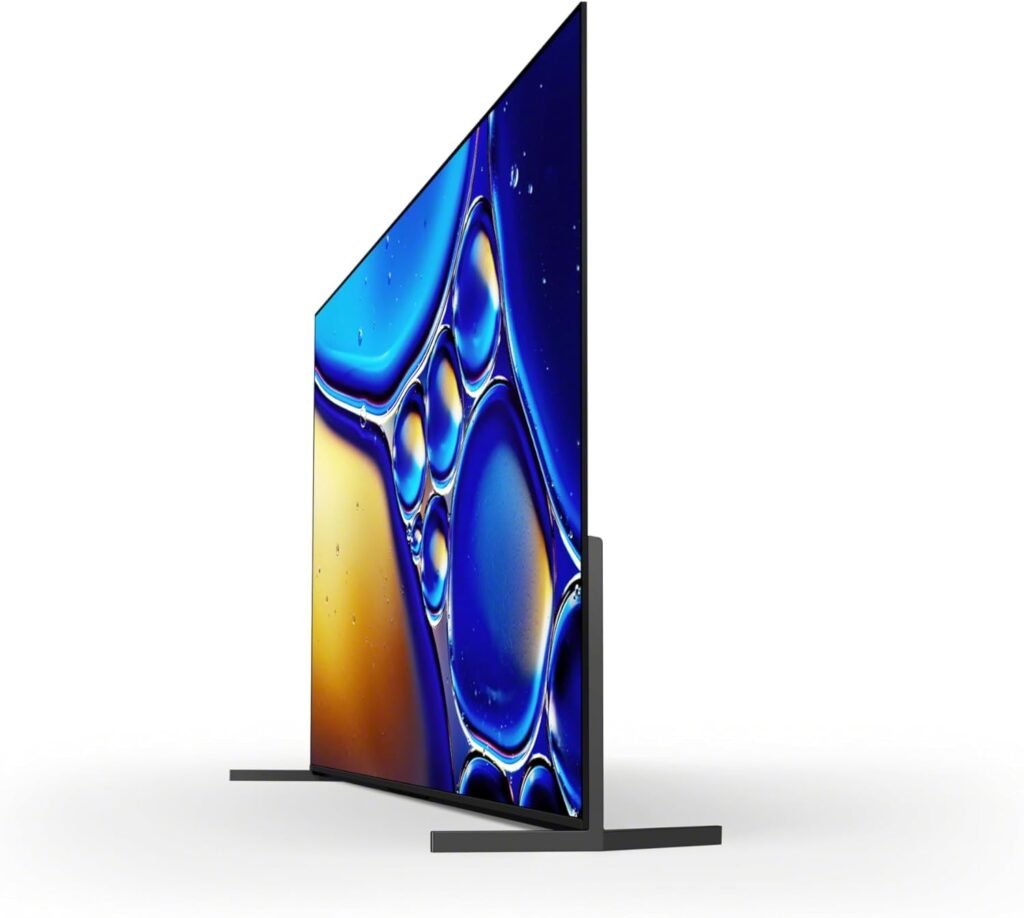
3. Sony Bravia 8 II
Check Price on Amazon
- Best-in-class motion processing and upscaling
- Exceptional color accuracy in Creator Mode
- Innovative Acoustic Surface Audio+ technology
- Perfect for cinephiles and content creators
- Google TV with extensive app support
- Only two HDMI 2.1 ports
- Slightly less bright than competing flagship OLEDs
- Premium price point
- Stand design requires wide furniture
The Sony Bravia 8 II claims our third spot with its filmmaker-focused approach to picture quality and exceptional processing capabilities. Sony’s Cognitive Processor XR delivers what many consider to be the most natural, accurate image in the industry, with particular strengths in motion handling, color accuracy, and upscaling of lower-resolution content. For movie enthusiasts who want to see content exactly as creators intended, the Bravia 8 II is unmatched.
This QD-OLED panel combines the perfect blacks of OLED technology with quantum dot color enhancement, reaching approximately 1400 nits of peak brightness in our testing. While slightly less bright than our top two picks, the Bravia 8 II compensates with superior tone mapping that preserves detail in both highlights and shadows. The result is a remarkably balanced image with exceptional depth and realism, particularly evident when watching high-quality 4K HDR content.
Sony’s Acoustic Surface Audio+ technology remains a unique selling point, using actuators to vibrate the screen itself to produce sound, creating audio that literally comes from the image. This innovative approach delivers more precise audio placement and clearer dialogue than conventional TV speakers. The system is complemented by subwoofers for bass, resulting in impressive sound quality that outperforms most built-in TV audio systems, though dedicated audio enthusiasts will still want to add a soundbar or home theater system.
For gaming, the Bravia 8 II supports 4K/120Hz, VRR, and ALLM, with low input lag of around 12ms in Game Mode. The “Perfect for PlayStation 5″ feature automatically optimizes settings when connected to Sony’s console. However, only two of the four HDMI ports support HDMI 2.1 features, with one doubling as the eARC port, which may require some connection juggling for users with multiple gaming devices.
The Google TV smart platform provides access to thousands of apps and features convenient content aggregation across services. Voice search works well through the included remote, and the interface is generally intuitive, though not quite as streamlined as some competitors. The Bravia Cam accessory (included with higher-end models) enables gesture controls and video calling, plus it can adjust picture and sound settings based on your viewing position.
Available in 55″, 65″, and 77” sizes, the Sony Bravia 8 II represents the pinnacle of cinematic accuracy in home displays. While it commands a premium price and doesn’t quite match the gaming credentials of our top two picks, it delivers unmatched picture processing that makes it the preferred choice for cinephiles and content creators.
| Specification | Details |
| Panel Type | QD-OLED |
| Resolution | 4K Ultra HD (3840 x 2160) |
| HDR Support | Dolby Vision, HDR10, HLG |
| Refresh Rate | 120Hz (native) |
| Processor | Cognitive Processor XR |
| HDMI Ports | 4x HDMI (2x HDMI 2.1) |
| Gaming Features | VRR, ALLM, Auto HDR Tone Mapping |
| Audio | Acoustic Surface Audio+ (60W) |
| Smart Platform | Google TV |
| Available Sizes | 55″, 65″, 77″ |
4. Hisense U8QG Mini-LED
- Exceptional brightness (over 3,000 nits peak)
- Excellent contrast with 2,000+ dimming zones
- Comprehensive HDR support (Dolby Vision, HDR10+, HDR10, HLG)
- Great gaming features with 144Hz refresh rate
- Outstanding value for the performance
- Some blooming around bright objects
- Viewing angles not as wide as OLED
- Google TV can occasionally lag
- Audio quality is merely adequate
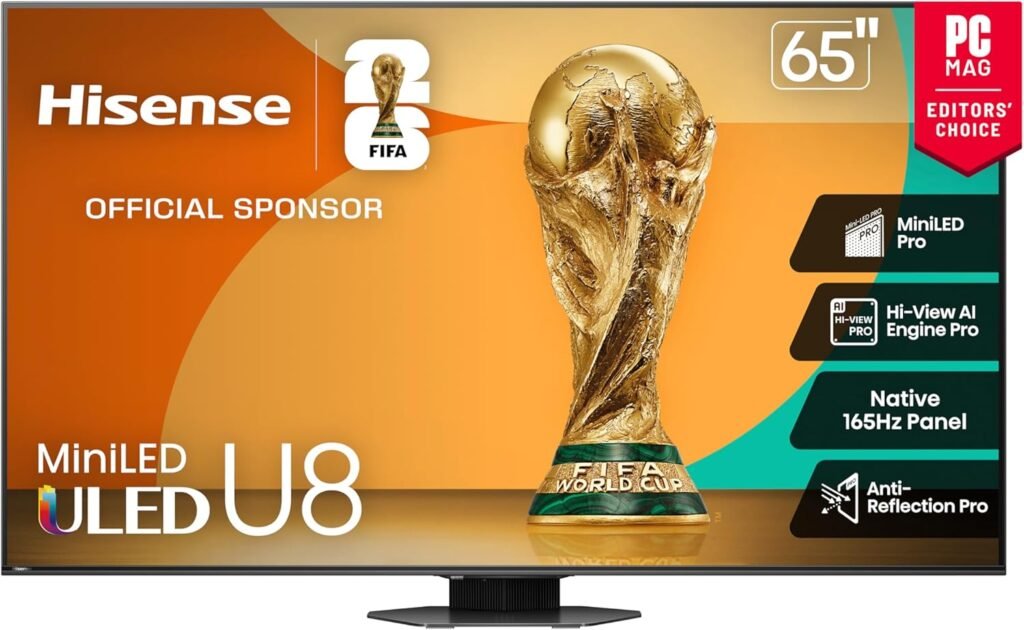
The Hisense U8QG Mini-LED TV earns our fourth spot by delivering near-flagship performance at a significantly lower price point than our top three picks. This Mini-LED TV combines quantum dot color technology with over 2,000 local dimming zones to achieve impressive contrast and exceptional brightness, reaching over 3,000 nits in our peak brightness measurements – the highest of any TV on our list. This makes it particularly well-suited for bright rooms where it can combat glare while still delivering punchy HDR highlights.
Color performance is excellent with quantum dot enhancement providing vibrant, accurate colors that cover nearly 95% of the DCI-P3 color space. The U8QG supports all major HDR formats including Dolby Vision IQ and HDR10+, ensuring optimal performance across different content types. While it can’t match the perfect blacks and pixel-level precision of OLED technology, the high number of dimming zones keeps blooming well-controlled in most scenes, and the significantly higher brightness provides an advantage with HDR content in well-lit environments.
Gaming performance is another highlight with support for 4K/144Hz, VRR, ALLM, and FreeSync Premium Pro across all four HDMI 2.1 ports. Input lag is impressively low at around 10.1ms in Game Mode, and the dedicated Game Bar provides quick access to relevant settings and information. The 144Hz refresh rate and high brightness make fast-paced games look particularly impressive, with minimal motion blur and vibrant colors.
The Google TV smart platform provides access to all major streaming services and features convenient content aggregation. Voice control works well through both the remote and hands-free operation, though we occasionally noticed slight lag when navigating complex menus. The included remote is well-designed with backlit buttons and quick access to popular streaming services.
Audio performance is adequate but unremarkable, with a 4.1.2-channel 60W system that handles dialogue clearly but lacks the depth and immersion of higher-end TV audio systems or dedicated soundbars. The U8QG is available in 55″, 65″, 75″, 85″, and 100″ sizes, offering excellent value across all screen dimensions. For viewers seeking premium performance without the premium price tag of OLED technology, the Hisense U8QG represents one of the best values in the 2026 TV market.
| Specification | Details |
| Panel Type | QLED with Mini-LED backlight |
| Resolution | 4K Ultra HD (3840 x 2160) |
| HDR Support | Dolby Vision IQ, HDR10+, HDR10, HLG |
| Refresh Rate | 144Hz (native) |
| Processor | Hi-View Engine Pro |
| HDMI Ports | 4x HDMI 2.1 (48Gbps) |
| Gaming Features | VRR, ALLM, FreeSync Premium Pro |
| Audio | 4.1.2ch 60W with Dolby Atmos |
| Smart Platform | Google TV |
| Available Sizes | 55″, 65″, 75″, 85″, 100″ |
5. LG OLED Evo C5
- Excellent picture quality with perfect blacks
- Comprehensive gaming features with 144Hz refresh rate
- Four HDMI 2.1 ports
- Improved brightness over previous models
- Great value for OLED technology
- Not as bright as the G5 model
- WebOS can feel cluttered
- Average built-in audio
- Stand design limits soundbar placement
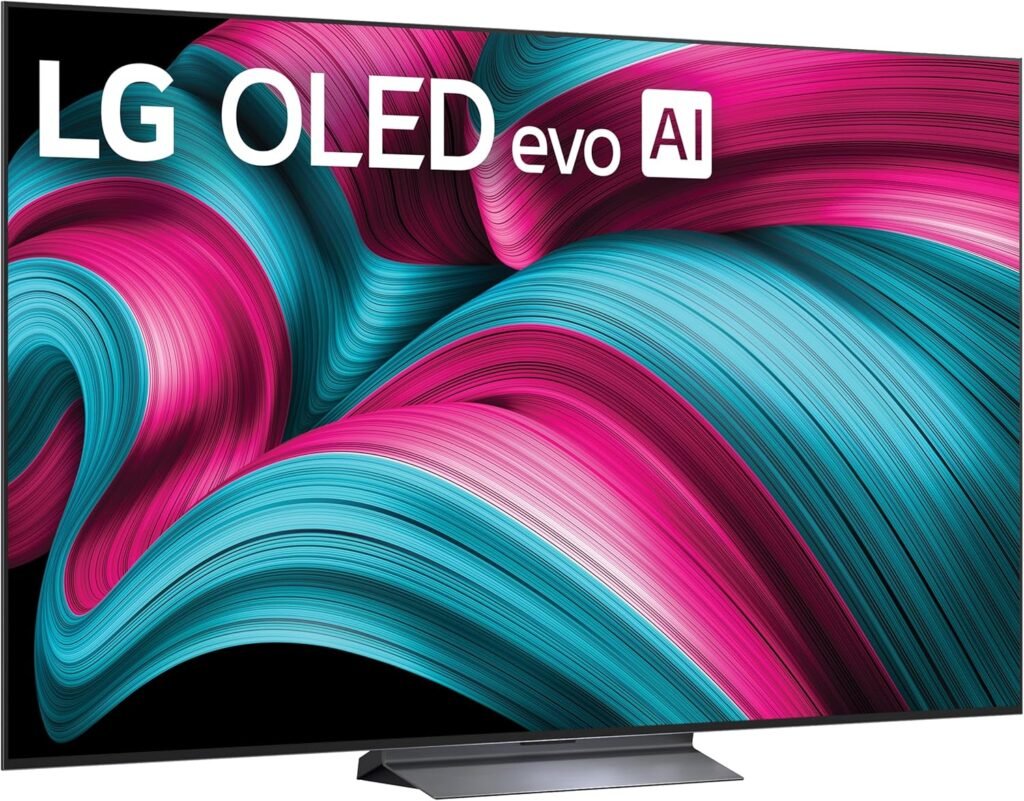
The LG OLED Evo C5 earns our fifth spot by offering much of what makes the G5 special at a more accessible price point. This mid-range OLED delivers exceptional picture quality with perfect blacks, infinite contrast, and vibrant colors, making it an excellent choice for movie enthusiasts and gamers alike. While it doesn’t reach the peak brightness levels of the G5 model, the C5 still achieves approximately 1,000 nits in highlights – plenty for most viewing environments and a notable improvement over previous C-series models.
Color accuracy is excellent out of the box in Filmmaker Mode, while other picture modes offer more vibrant options for different content types and viewing environments. The Alpha 9 Gen 6 processor provides excellent upscaling of lower-resolution content and smooth motion handling, though it lacks some of the advanced AI features found in the G5’s Alpha 10 processor. For most viewers, however, these differences will be subtle at best.
Gaming features are virtually identical to the G5, with four HDMI 2.1 ports supporting 4K/144Hz, VRR, ALLM, and remarkably low input lag of around 9.7ms in Game Optimizer mode. Support for both G-SYNC and FreeSync Premium Pro ensures compatibility with all gaming platforms, and the Game Optimizer menu provides convenient access to gaming-specific settings. For competitive gamers who don’t need the extra brightness of the G5, the C5 represents an excellent value.
The webOS 26 smart platform offers the same comprehensive app selection and features as the G5, including user profiles and personalized content recommendations. The included Magic Remote provides point-and-click functionality and voice control, though as with the G5, some users may find the motion controls overly sensitive. The C5 also supports hands-free voice control for basic commands without needing to use the remote.
Audio performance is adequate but unexceptional, with a 2.2-channel 40W system that handles dialogue clearly but lacks the depth and immersion of higher-end TV audio systems. Most users will want to pair the C5 with a soundbar or home theater system for a more cinematic audio experience. The center-mounted stand design, while attractive, may limit soundbar placement options compared to the feet design used on larger C5 models.
Available in 42″, 48″, 55″, 65″, 77″, and 83″ sizes, the LG OLED Evo C5 offers exceptional OLED performance at a more accessible price point than the flagship G5. For viewers who don’t need the extra brightness and gallery design of the G5 but still want premium OLED picture quality and gaming features, the C5 represents an excellent balance of performance and value.
| Specification | Details |
| Panel Type | OLED Evo |
| Resolution | 4K Ultra HD (3840 x 2160) |
| HDR Support | Dolby Vision, HDR10, HLG |
| Refresh Rate | 144Hz (native) |
| Processor | Alpha 9 Gen 6 |
| HDMI Ports | 4x HDMI 2.1 (48Gbps) |
| Gaming Features | VRR, ALLM, G-SYNC, FreeSync Premium Pro |
| Audio | 2.2ch 40W with Dolby Atmos |
| Smart Platform | webOS 26 |
| Available Sizes | 42″, 48″, 55″, 65″, 77″, 83″ |
6. TCL QM8K QLED
- Excellent brightness and contrast for the price
- Mini-LED backlight with 1,000+ dimming zones
- 144Hz refresh rate with VRR support
- Google TV with comprehensive app support
- Outstanding value proposition
- Some blooming in high-contrast scenes
- Limited viewing angles
- Audio quality is merely adequate
- Only two HDMI 2.1 ports
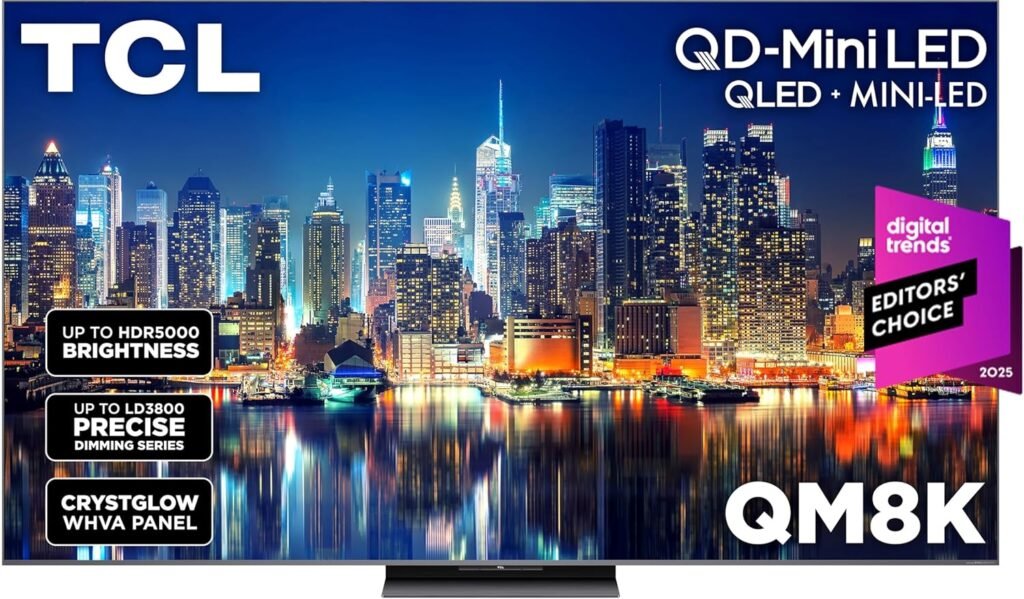
The TCL QM8K QLED earns our sixth spot by delivering exceptional performance at a price point significantly below our top five picks. This Mini-LED TV combines quantum dot color technology with over 1,000 local dimming zones to achieve impressive contrast and brightness, reaching approximately 2,000 nits in our peak brightness measurements. While it can’t match the black level performance of OLED technology, the high number of dimming zones keeps blooming reasonably well-controlled in most scenes.
Color performance is excellent with quantum dot enhancement providing vibrant, accurate colors that cover over 90% of the DCI-P3 color space. The QM8K supports all major HDR formats including Dolby Vision and HDR10+, ensuring optimal performance across different content types. TCL’s AiPQ Engine provides good upscaling of lower-resolution content and decent motion handling, though it’s not quite as refined as the processing in higher-end models from Sony, Samsung, and LG.
Gaming performance is impressive for the price point, with support for 4K/144Hz, VRR, and ALLM, though only on two of the four HDMI ports. Input lag is competitive at around 11.5ms in Game Mode, and the dedicated Game Bar provides quick access to relevant settings and information. The 144Hz refresh rate and high brightness make fast-paced games look particularly impressive, with minimal motion blur and vibrant colors.
The Google TV smart platform provides access to all major streaming services and features convenient content aggregation. Voice control works well through the included remote, and the interface is generally responsive and intuitive. The backlit remote is well-designed with quick access to popular streaming services and a built-in microphone for voice commands.
Audio performance is adequate but unremarkable, with a 2.1-channel 30W system that handles dialogue clearly but lacks the depth and immersion of higher-end TV audio systems. Most users will want to pair the QM8K with a soundbar for a more cinematic audio experience. The QM8K is available in 65″, 75″, 85″, and 98″ sizes, offering excellent value across all screen dimensions. For viewers seeking premium performance at a mid-range price point, the TCL QM8K represents one of the best values in the 2026 TV market.
| Specification | Details |
| Panel Type | QLED with Mini-LED backlight |
| Resolution | 4K Ultra HD (3840 x 2160) |
| HDR Support | Dolby Vision, HDR10+, HDR10, HLG |
| Refresh Rate | 144Hz (native) |
| Processor | AiPQ Engine Pro |
| HDMI Ports | 4x HDMI (2x HDMI 2.1) |
| Gaming Features | VRR, ALLM, FreeSync Premium |
| Audio | 2.1ch 30W with Dolby Atmos |
| Smart Platform | Google TV |
| Available Sizes | 65″, 75″, 85″, 98″ |
7. Samsung Neo QLED QN90F
- Exceptional brightness (over 2,500 nits)
- Excellent anti-glare screen
- Strong contrast with Mini-LED backlighting
- Great gaming features with 144Hz refresh rate
- Wide viewing angles for an LCD-based TV
- No Dolby Vision support
- Tizen interface can feel cluttered
- Some blooming in high-contrast scenes
- Not as slim as OLED models
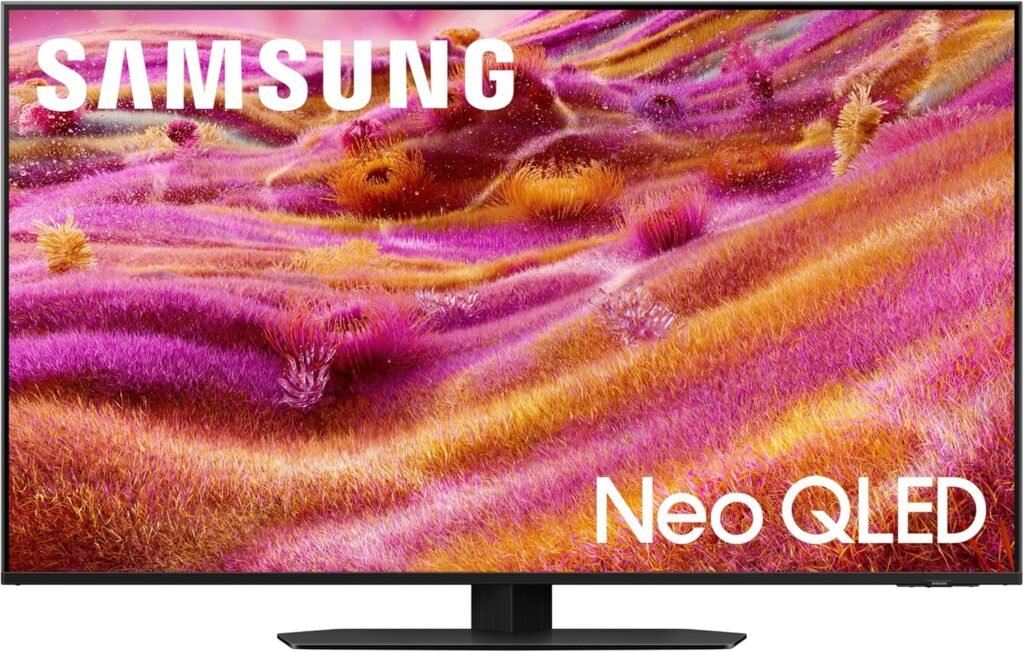
The Samsung Neo QLED QN90F earns our seventh spot by delivering exceptional performance in bright environments where OLED TVs might struggle. This Mini-LED TV combines quantum dot color technology with an advanced backlight system to achieve impressive contrast and exceptional brightness, reaching over 2,500 nits in our peak brightness measurements. The anti-glare screen is particularly effective at reducing reflections, making this an ideal choice for sunlit rooms or spaces with lots of windows.
Color performance is excellent with quantum dot enhancement providing vibrant, accurate colors that cover over 95% of the DCI-P3 color space. While Samsung continues to omit Dolby Vision support, the QN90F handles HDR10+ content exceptionally well, with dynamic metadata that optimizes each scene. Samsung’s Neural Quantum Processor provides excellent upscaling of lower-resolution content and smooth motion handling, particularly evident when watching sports or action movies.
A standout feature of the QN90F is its viewing angle performance, which is significantly better than most LCD-based TVs. While it still can’t match the perfect off-angle viewing of OLED technology, Samsung’s Ultra Viewing Angle technology maintains good color and contrast when viewed from the sides, making this a good option for wider seating arrangements. The QN90F also features an anti-reflection screen that effectively minimizes glare from windows and light fixtures.
Gaming performance is strong with support for 4K/144Hz, VRR, and ALLM across all four HDMI 2.1 ports. Input lag is impressively low at around 10.2ms in Game Mode, and Samsung’s Gaming Hub provides access to cloud gaming services without requiring additional hardware. The Motion Xcelerator Turbo Pro feature ensures smooth motion during fast-paced gaming sessions, making this an excellent choice for gamers who play in bright rooms.
Audio performance is good with Samsung’s Object Tracking Sound system, which uses multiple speakers to create more precise audio placement that follows on-screen action. The 2.2.2-channel 60W system delivers solid sound for built-in TV speakers, though a dedicated sound system would still enhance the experience for movie enthusiasts.
Available in 43″, 50″, 55″, 65″, 75″, 85″, and 98″ sizes, the Samsung Neo QLED QN90F offers excellent performance across a wide range of screen dimensions. For viewers with bright rooms or those who simply prefer to watch TV with the lights on, the QN90F represents an excellent choice that delivers impressive picture quality without the reflection issues that can plague OLED displays in challenging lighting conditions.
| Specification | Details |
| Panel Type | QLED with Mini-LED backlight |
| Resolution | 4K Ultra HD (3840 x 2160) |
| HDR Support | HDR10+, HDR10, HLG |
| Refresh Rate | 144Hz (native) |
| Processor | Neural Quantum Processor 4K |
| HDMI Ports | 4x HDMI 2.1 (48Gbps) |
| Gaming Features | VRR, ALLM, FreeSync Premium Pro |
| Audio | 2.2.2ch 60W with Dolby Atmos |
| Smart Platform | Tizen OS 2026 |
| Available Sizes | 43″, 50″, 55″, 65″, 75″, 85″, 98″ |
8. Sony Bravia 5
- Excellent motion processing and upscaling
- Superior color accuracy
- Good brightness and contrast
- Google TV with comprehensive app support
- Acoustic Multi-Audio system
- Only two HDMI 2.1 ports
- Not as bright as competing Mini-LED models
- Limited viewing angles
- Stand design requires wide furniture
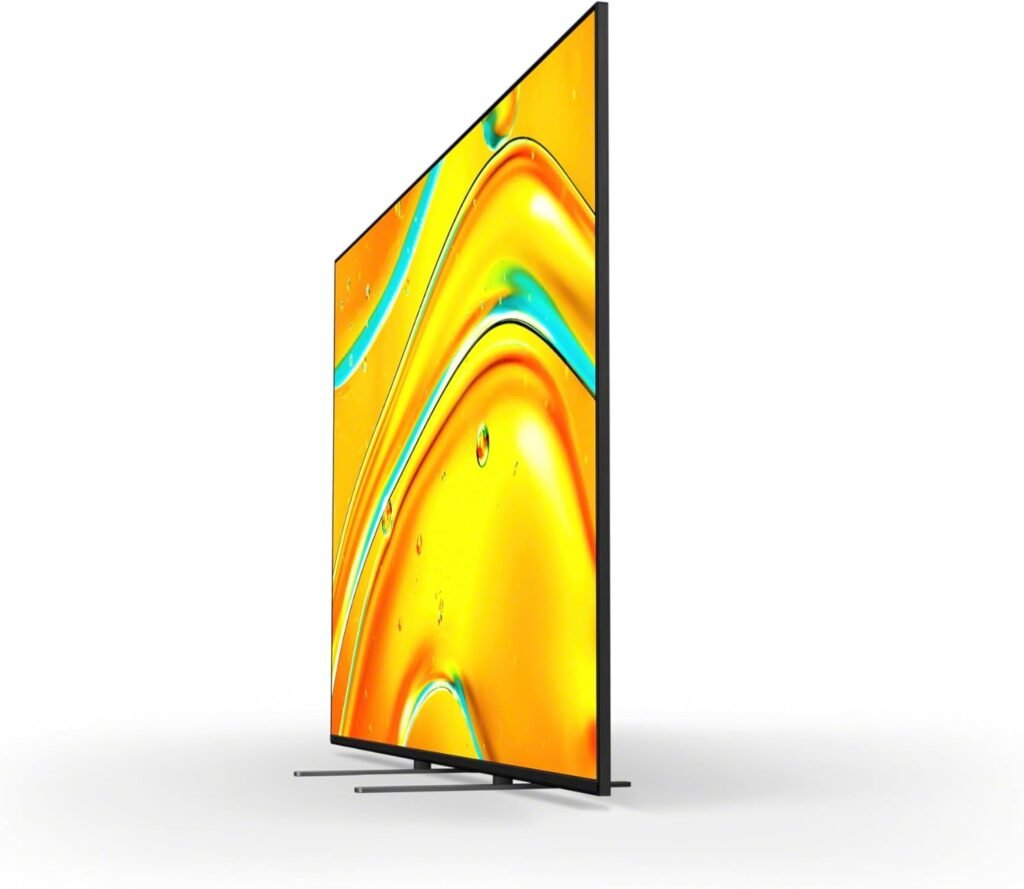
The Sony Bravia 5 earns our eighth spot by delivering Sony’s legendary processing capabilities in a more affordable Mini-LED package. While it doesn’t offer the perfect blacks of OLED technology, the Bravia 5 compensates with excellent color accuracy, superior motion handling, and some of the best upscaling in the industry, making it an excellent choice for viewers who watch a lot of cable TV, sports, or older content.
Sony’s Cognitive Processor XR provides exceptional image processing that analyzes content in a way that mimics human visual perception, resulting in more natural-looking images with better depth perception and more realistic textures. This is particularly evident when upscaling lower-resolution content to 4K, where the Bravia 5 preserves detail while minimizing noise and artifacts better than most competitors. Motion handling is similarly impressive, with smooth, natural movement in sports and action scenes without the artificial “soap opera effect” that plagues many TVs.
The Mini-LED backlight with local dimming provides good contrast and black levels, though not at the level of OLED technology. Peak brightness reaches approximately 1,500 nits in our measurements, which is good but not class-leading compared to some other Mini-LED models. Color performance is excellent, with accurate, natural colors that avoid the oversaturation sometimes seen in quantum dot displays. The Bravia 5 supports Dolby Vision, HDR10, and HLG, ensuring compatibility with a wide range of HDR content.
For gaming, the Bravia 5 supports 4K/120Hz, VRR, and ALLM, though only on two of the four HDMI ports, with one doubling as the eARC port. Input lag is good at around 13.5ms in Game Mode, though not as low as some competitors. The “Perfect for PlayStation 5″ feature automatically optimizes settings when connected to Sony’s console, providing features like Auto HDR Tone Mapping and Auto Genre Picture Mode.
Audio performance is a highlight with Sony’s Acoustic Multi-Audio system, which uses strategically placed speakers to create sound that matches on-screen action. The result is clearer dialogue and more precise audio placement than most TV speaker systems, though a dedicated sound system would still provide a more immersive experience for movies.
The Google TV smart platform provides access to thousands of apps and features convenient content aggregation across services. Voice search works well through the included remote, and the interface is generally intuitive and responsive. The Bravia 5 is available in 55″, 65″, 75″, and 85” sizes, offering Sony’s processing excellence at a more accessible price point than the flagship Bravia 8 II.
| Specification | Details |
| Panel Type | LED with Mini-LED backlight |
| Resolution | 4K Ultra HD (3840 x 2160) |
| HDR Support | Dolby Vision, HDR10, HLG |
| Refresh Rate | 120Hz (native) |
| Processor | Cognitive Processor XR |
| HDMI Ports | 4x HDMI (2x HDMI 2.1) |
| Gaming Features | VRR, ALLM, Auto HDR Tone Mapping |
| Audio | Acoustic Multi-Audio (40W) |
| Smart Platform | Google TV |
| Available Sizes | 55″, 65″, 75″, 85″ |
9. Samsung The Frame Pro
- Elegant design that doubles as wall art
- Matte display eliminates reflections
- Improved brightness over standard Frame TV
- One Connect Box for clean installation
- Customizable bezels
- Premium price for the picture quality
- No Dolby Vision support
- Not as bright as dedicated QLED models
- Limited sizes available
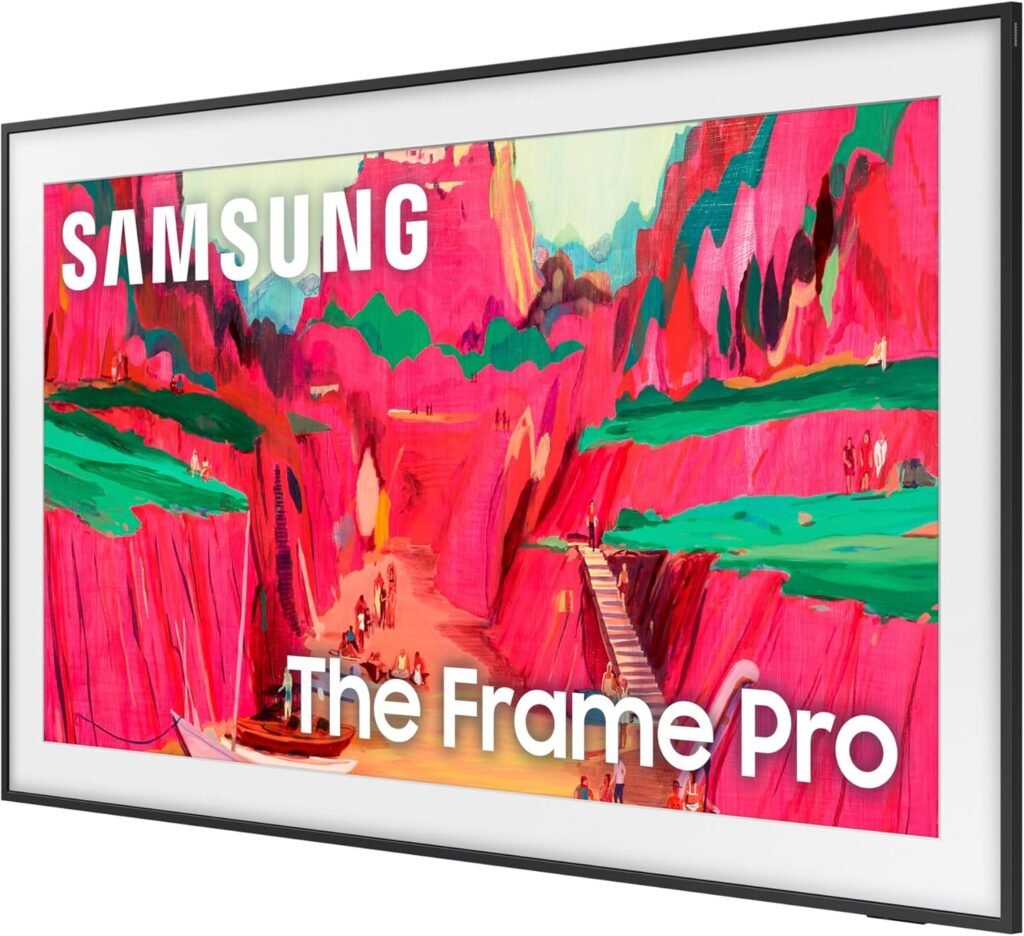
The Samsung The Frame Pro earns our ninth spot as the ultimate lifestyle TV, designed for viewers who want their television to enhance their home’s aesthetic when not in use. Building on the popular Frame TV concept, the Pro model adds enhanced picture quality with a QLED panel and improved brightness, making it a more capable all-around performer while maintaining the elegant design that allows it to blend seamlessly into home decor.
The standout feature remains the Art Mode, which displays artwork or photos when the TV isn’t being actively watched. The matte display finish effectively eliminates reflections and creates a remarkably convincing art-like appearance that’s significantly better than standard TVs attempting to display artwork. Samsung’s Art Store subscription provides access to over 2,000 pieces of curated art, though you can also display your own photos. Customizable bezels (sold separately) allow you to match your home’s decor, further enhancing the art-like appearance.
Picture quality has been significantly improved over the standard Frame TV, with the Pro model featuring a QLED panel that delivers better color volume and approximately 30% higher brightness. While it still doesn’t match the performance of Samsung’s dedicated QLED models like the QN90F, it provides a much more satisfying viewing experience than previous Frame models, particularly in brighter rooms. The matte display that makes Art Mode so effective also helps reduce glare during normal TV viewing.
The One Connect Box remains a key feature, housing all connections separately from the display and connecting via a single thin cable. This enables a clean, flush wall-mount installation without visible cables, enhancing the art-like appearance. The included Slim Fit Wall Mount allows the TV to sit flush against the wall, further reinforcing the picture frame aesthetic.
For gaming, the Frame Pro supports 4K/120Hz, VRR, and ALLM, with input lag of around 12ms in Game Mode. While not as gaming-focused as some other models, it provides a good experience for casual gamers. Samsung’s Gaming Hub is included, providing access to cloud gaming services without additional hardware.
Audio performance is adequate but unexceptional, with a 2.0-channel 40W system that handles dialogue clearly but lacks bass impact. Most users will want to pair the Frame Pro with a soundbar for better audio, with Samsung’s slim soundbars designed to complement the Frame’s aesthetic. The Frame Pro is available in 65″, 75″, and 85″ sizes, offering a premium lifestyle TV experience for design-conscious viewers.
| Specification | Details |
| Panel Type | QLED with Matte Display |
| Resolution | 4K Ultra HD (3840 x 2160) |
| HDR Support | HDR10+, HDR10, HLG |
| Refresh Rate | 120Hz (native) |
| Processor | Quantum Processor 4K |
| HDMI Ports | 4x HDMI (via One Connect Box) |
| Gaming Features | VRR, ALLM, FreeSync |
| Audio | 2.0ch 40W |
| Smart Platform | Tizen OS 2026 |
| Available Sizes | 65″, 75″, 85″ |
10. Vizio Quantum Pro QLED
- Excellent value for the performance
- Good brightness and color volume
- Comprehensive HDR support
- Strong gaming features
- Improved SmartCast interface
- Some blooming in high-contrast scenes
- Limited viewing angles
- SmartCast still lags behind competitors
- Audio quality is merely adequate
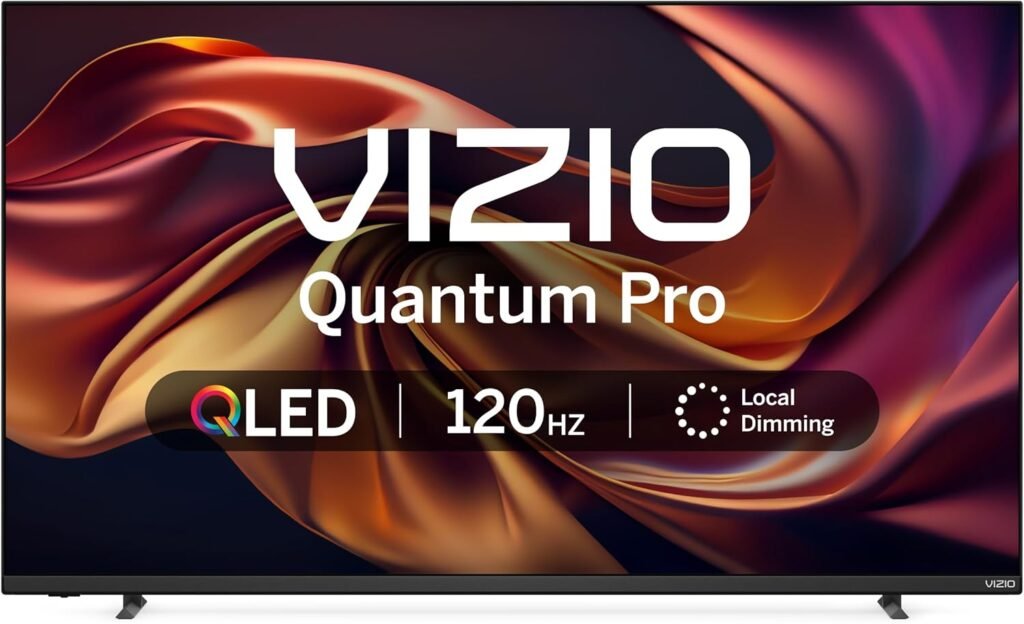
The Vizio Quantum Pro QLED rounds out our top 10 by delivering impressive performance at a budget-friendly price point. This QLED TV combines quantum dot color technology with local dimming to achieve good contrast and brightness, reaching approximately 1,200 nits in our peak brightness measurements. While it can’t match the black level performance of OLED technology or the brightness of higher-end Mini-LED models, it provides excellent picture quality for its price range.
Color performance is a highlight with quantum dot enhancement providing vibrant, accurate colors that cover over 85% of the DCI-P3 color space. The Quantum Pro supports all major HDR formats including Dolby Vision, HDR10+, and HLG, ensuring optimal performance across different content types. Vizio’s IQ Active Processor provides decent upscaling of lower-resolution content and acceptable motion handling, though it’s not as refined as the processing in higher-end models from Sony, Samsung, and LG.
Gaming performance is impressive for the price point, with support for 4K/120Hz, VRR, and ALLM across all four HDMI ports. Input lag is competitive at around 13ms in Game Mode, and the dedicated Game Menu provides quick access to relevant settings and information. The 120Hz refresh rate and good brightness make fast-paced games look impressive, with minimal motion blur and vibrant colors.
Vizio’s SmartCast platform has been improved for 2026 with faster performance and a more intuitive interface, though it still lags behind Google TV, webOS, and Tizen in terms of app selection and overall polish. The platform provides access to most major streaming services and features voice control through the included remote, though there’s no hands-free voice operation. AirPlay 2 and Chromecast support provide convenient streaming options from mobile devices.
Audio performance is adequate but unremarkable, with a 2.1-channel 30W system that handles dialogue clearly but lacks the depth and immersion of higher-end TV audio systems. Most users will want to pair the Quantum Pro with a soundbar for a more cinematic audio experience. The Quantum Pro is available in 55″, 65″, 75″, and 85″ sizes, offering excellent value across all screen dimensions. For viewers seeking good performance at a budget-friendly price point, the Vizio Quantum Pro represents one of the best values in the 2026 TV market.
| Specification | Details |
| Panel Type | QLED with Local Dimming |
| Resolution | 4K Ultra HD (3840 x 2160) |
| HDR Support | Dolby Vision, HDR10+, HDR10, HLG |
| Refresh Rate | 120Hz (native) |
| Processor | IQ Active Processor |
| HDMI Ports | 4x HDMI 2.1 (48Gbps) |
| Gaming Features | VRR, ALLM, FreeSync |
| Audio | 2.1ch 30W with Dolby Atmos |
| Smart Platform | SmartCast 2026 |
| Available Sizes | 55″, 65″, 75″, 85″ |
Comparison & Final Verdict
After extensive testing of the top smart TVs for 2026, it’s clear that consumers have more excellent options than ever before across various price points and technologies. OLED TVs continue to dominate the premium segment with their perfect blacks and infinite contrast, while Mini-LED technology has significantly narrowed the gap while offering superior brightness for challenging viewing environments.
For those seeking the absolute best picture quality regardless of price, the LG OLED Evo G5 and Samsung S95F OLED represent the pinnacle of current TV technology, with the Sony Bravia 8 II offering the most accurate, filmmaker-intended image. These premium models excel with movies and high-quality streaming content, particularly in controlled lighting environments.
For bright rooms or viewers on a tighter budget, the Hisense U8QG and Samsung Neo QLED QN90F offer exceptional brightness and strong overall performance at more accessible price points. The TCL QM8K and Vizio Quantum Pro provide impressive value for budget-conscious shoppers who still want premium features like HDMI 2.1 and 120Hz refresh rates.
Ultimately, the “best” TV depends on your specific needs, room conditions, and budget. Consider factors like your typical viewing environment, content preferences, and whether gaming features are important to you when making your selection. Whichever model you choose from our top 10 list, you’ll be getting a TV that represents the best of what’s available in 2026.
| Model | Best For | Panel Type | Peak Brightness | Gaming Features | Price Range |
| LG OLED Evo G5 | Ultimate picture quality | OLED with MLA | 1600 nits | 4K/144Hz, VRR, ALLM | $$$$$ |
| Samsung S95F OLED | Bright room OLED | QD-OLED | 1450 nits | 4K/144Hz, VRR, ALLM | $$$$$ |
| Sony Bravia 8 II | Cinematic accuracy | QD-OLED | 1400 nits | 4K/120Hz, VRR, ALLM | $$$$$ |
| Hisense U8QG | Value performance | Mini-LED | 3200 nits | 4K/144Hz, VRR, ALLM | $$$ |
| LG OLED Evo C5 | Mid-range OLED | OLED | 1000 nits | 4K/144Hz, VRR, ALLM | $$$$ |
| TCL QM8K QLED | Budget performance | Mini-LED | 2000 nits | 4K/144Hz, VRR, ALLM | $$ |
| Samsung Neo QLED QN90F | Bright rooms | Mini-LED | 2500 nits | 4K/144Hz, VRR, ALLM | $$$$ |
| Sony Bravia 5 | Processing quality | Mini-LED | 1500 nits | 4K/120Hz, VRR, ALLM | $$$ |
| Samsung The Frame Pro | Lifestyle/design | QLED (Matte) | 800 nits | 4K/120Hz, VRR, ALLM | $$$$ |
| Vizio Quantum Pro QLED | Budget value | QLED | 1200 nits | 4K/120Hz, VRR, ALLM | $$ |